Understanding Coronary Artery Disease: Causes, Symptoms, and When to See a Cardiologist
Dr. Jeffrey Tauth explains coronary artery disease: causes, symptoms, risk factors, and when to see a cardiologist in Hot Springs, AR.
Jeffrey G. Tauth, M.D., F.A.C.C.Board-Certified Interventional Cardiologist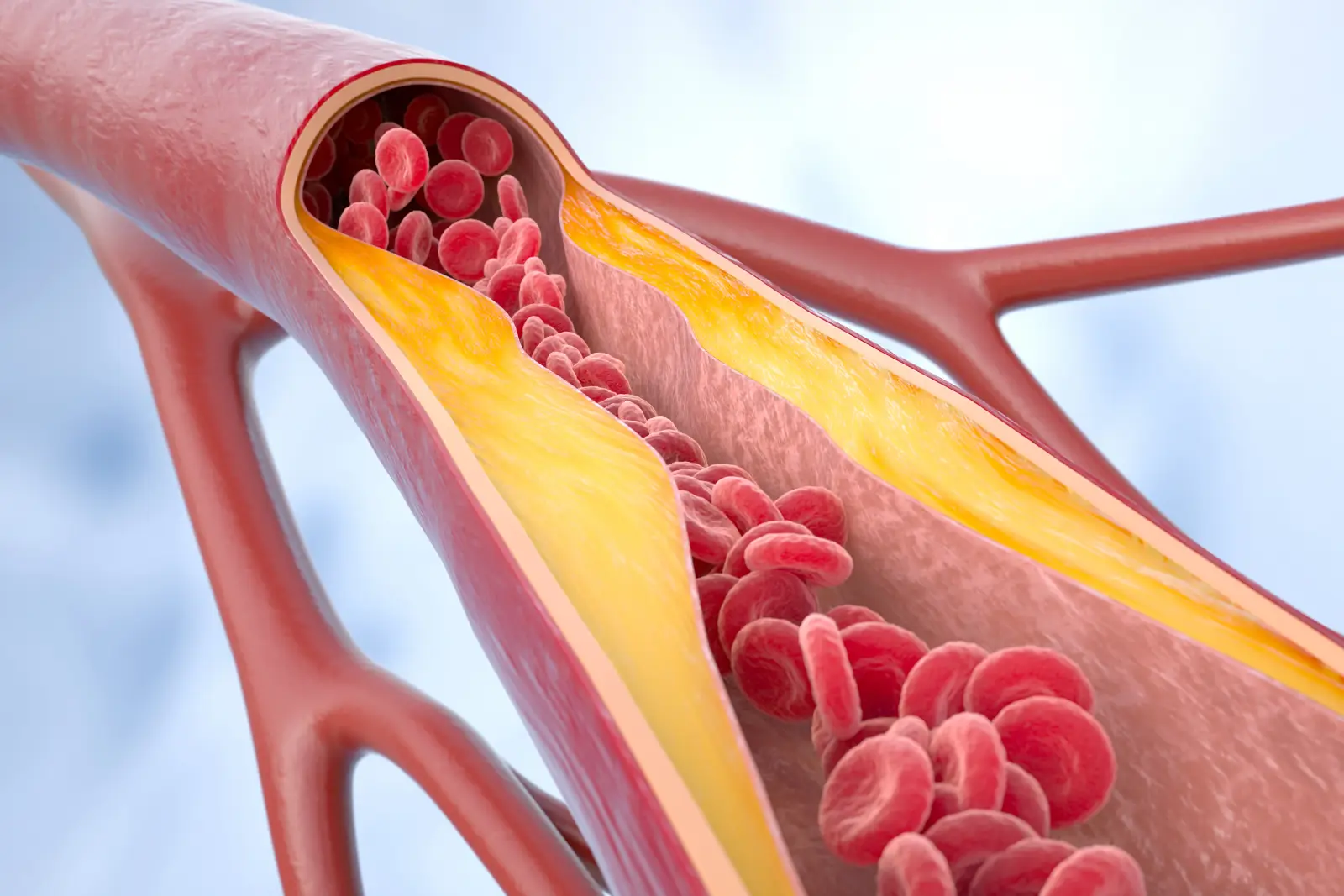
Coronary artery disease (CAD) is the most common form of heart disease, and it is also one of the most preventable when identified early. The difficulty is that it develops slowly and quietly, over years or decades, before most patients know it is there. By the time chest pain or shortness of breath appears, the arterial narrowing has usually been underway for a long time.
The majority of patients who develop significant CAD carry multiple risk factors for years before a diagnosis is made. Some are referred after an abnormal stress test. Others arrive after a heart attack. A meaningful number have no symptoms at all until something goes wrong.
In this post, Dr. Jeffrey Tauth, a board-certified interventional cardiologist who has treated coronary artery disease in Hot Springs and central Arkansas for more than 30 years, covers what causes CAD, how it progresses, what symptoms to watch for, and when patients should call a cardiologist rather than wait.
What “Coronary Artery Disease” Really Is
The heart muscle needs a continuous supply of oxygenated blood to keep beating. That blood is delivered through the coronary arteries, a network of vessels that wrap around the outside of the heart and feed its muscle walls.
Coronary artery disease, also called coronary heart disease, develops when those arteries narrow. The narrowing is caused by atherosclerosis, a process in which plaque (a combination of cholesterol, fat, calcium, and other substances) gradually accumulates along the interior walls of the arteries. Over time, as plaque builds up, the artery’s interior channel becomes smaller and blood flow to the heart muscle is reduced.
The process happens slowly. A person can have significant plaque buildup in their coronary arteries for years without any noticeable symptoms. This is part of what makes coronary artery disease dangerous. The damage accumulates quietly while the patient feels fine.
Chronic vs. Acute CAD
There are two ways coronary artery disease typically becomes a clinical problem.
In the chronic form, the arteries narrow gradually over many years, and the heart muscle receives progressively less blood. Patients may develop symptoms with exertion that ease with rest, a pattern that can persist for years before a definitive diagnosis is made.
In the acute form, a plaque deposit ruptures suddenly, triggering the formation of a blood clot that can block the artery entirely. That abrupt blockage causes a heart attack, and it can happen without significant prior warning, even in patients who had no recognized symptoms.
Risk Factors: Who Develops Coronary Artery Disease
Atherosclerosis does not develop at random. Certain conditions and habits accelerate plaque buildup significantly, and patients who carry multiple risk factors tend to develop CAD earlier and more severely than those who do not.
The most common coronary artery disease risk factors include:
- High blood pressure: Forces the heart to work harder and damages the interior lining of the arteries over time, making arterial walls more susceptible to plaque accumulation
- High LDL cholesterol: Elevated LDL is one of the primary building blocks of arterial plaque; when levels are chronically high, plaque accumulates faster and in greater volume
- Type 2 diabetes: Damages blood vessels throughout the body and significantly increases cardiovascular risk
- Smoking: Damages artery walls directly, reduces the oxygen-carrying capacity of blood, raises blood pressure, and promotes clot formation
- Family history: A first-degree relative who had a heart attack before age 55 in men or 65 in women indicates a meaningful inherited risk that warrants earlier and more frequent cardiac evaluation
- Obesity and physical inactivity: Contribute to elevated blood pressure, elevated cholesterol, and insulin resistance, all of which increase CAD risk
Most patients with significant coronary artery disease carry more than one of these risk factors, and each additional one raises the overall burden on the arterial system.
Symptoms: What Coronary Artery Disease Feels Like
Angina and Chest Discomfort
The most recognizable symptom of coronary artery disease is angina, chest discomfort that occurs when the heart muscle is not receiving enough blood. Angina is often described as pressure, tightness, squeezing, or heaviness in the chest, rather than sharp or stabbing pain. It typically comes on during physical exertion or emotional stress and eases within a few minutes of rest.
Angina can also radiate. Some patients feel it in the jaw, neck, left arm, or between the shoulder blades. Others describe a dull ache in the upper abdomen that they attribute to indigestion. Many patients with atypical presentations spend months attributing their symptoms to something else before a cardiac cause is considered.
Other CAD Symptoms to Know
Chest pain is the most recognized CAD symptom, but it is not the only one. Other symptoms that may indicate coronary heart disease include:
- Shortness of breath during activity that did not previously cause it
- Unexplained fatigue that is disproportionate to exertion
- Dizziness or lightheadedness
- Nausea, particularly in women, who are more likely than men to experience atypical CAD presentations
Some patients experience no symptoms at all until a heart attack occurs. This is called silent ischemia, and it is more common in patients with diabetes, whose nerve function may be altered enough to mask normal pain signals.
CAD Diagnosis: What to Expect at a Hot Springs Cardiology Evaluation
Non-Invasive Cardiac Testing
A cardiac evaluation for suspected coronary artery disease starts with a detailed history and physical examination, then moves to non-invasive testing based on what the history suggests. At Hot Springs Heart and Vascular, all diagnostic testing is performed in-clinic. Patients do not need to be referred elsewhere for imaging or stress testing.
Common non-invasive tests for CAD include:
- Electrocardiogram (ECG): Records the heart’s electrical activity and can reveal signs of a prior heart attack or current ischemia
- Stress test: Evaluates how the heart responds to physical exertion and helps identify areas where blood flow is reduced
- Nuclear cardiac imaging: Provides detailed pictures of blood flow to the heart muscle at rest and under stress, giving the cardiologist a direct view of which coronary arteries may be affected
- Echocardiogram: Uses ultrasound to assess heart muscle function and identify structural changes caused by coronary artery disease
Cardiac Catheterization
When non-invasive testing suggests significant coronary artery disease, a cardiac catheterization provides a definitive picture. A catheter is guided through the arteries to the heart, contrast dye is injected, and the coronary arteries are imaged directly using X-ray fluoroscopy. This identifies the precise location and severity of any blockages. When intervention is warranted, the same procedure can be extended in the same session to place a stent and restore blood flow.
Two Patient Populations Dr. Tauth Treats for CAD
Dr. Jeffrey Tauth treats two distinct groups of coronary artery disease patients at Hot Springs Heart and Vascular, and each requires a different clinical approach.

Patients With New or Undiagnosed Symptoms
The first group includes patients experiencing cardiac symptoms for the first time: chest discomfort on exertion, new shortness of breath, or a combination of risk factors that prompted a primary care referral. For these patients, the priority is a timely and accurate diagnosis. Because Hot Springs Heart and Vascular performs all diagnostic testing in-clinic, the evaluation can be completed without sending patients to multiple facilities.
Patients should not wait for a heart attack to prompt their first cardiology evaluation.
Established CAD Patients Managing Ongoing Care
The second group includes patients with documented coronary heart disease: those who have already had a heart attack, undergone bypass surgery, or had one or more cardiac stents placed. These patients remain at elevated risk for additional events, and the quality of their ongoing management directly affects their long-term outcomes.
Dr. Tauth’s practice is structured to manage this ongoing care population alongside new diagnostic patients. As an interventional cardiologist in Hot Springs, he handles both the procedural side of CAD care and the long-term management that follows it.
When to Call a Cardiologist in Hot Springs
Patients should not wait for a heart attack to prompt their first cardiology evaluation. The following symptoms and circumstances warrant a call to a cardiologist:
- Chest pain or pressure that comes on with exertion and eases with rest
- New or unexplained shortness of breath during ordinary activity
- Persistent, unexplained fatigue
- Palpitations, dizziness, or lightheadedness without a clear cause
- A cluster of significant risk factors with no recent cardiac workup
- A prior history of heart attack, stent placement, or bypass surgery without current cardiologist oversight
Managing established CAD over time (adjusting medications, repeating tests when symptoms change, intervening again when needed) is where long-term outcomes are actually determined. That ongoing management requires an interventional cardiologist, not just a primary care physician.
Schedule an Appointment With Dr. Tauth
If you are experiencing symptoms that suggest coronary artery disease, or if you have an established CAD history and are looking for an interventional cardiologist in central Arkansas, Dr. Jeffrey Tauth welcomes new patients at Hot Springs Heart and Vascular. Call (501) 767-4278 directly. A staff member answers the phone, and same-day appointments are available for patients with active symptoms.
Written by
Jeffrey G. Tauth, M.D., F.A.C.C. · Board-Certified Interventional Cardiologist
Interventional cardiologist with more than 30 years in cardiac and vascular care, practicing in Hot Springs and Mena, Arkansas.